What KPIs Actually Measure MSP Performance (Beyond Ticket Counts)?
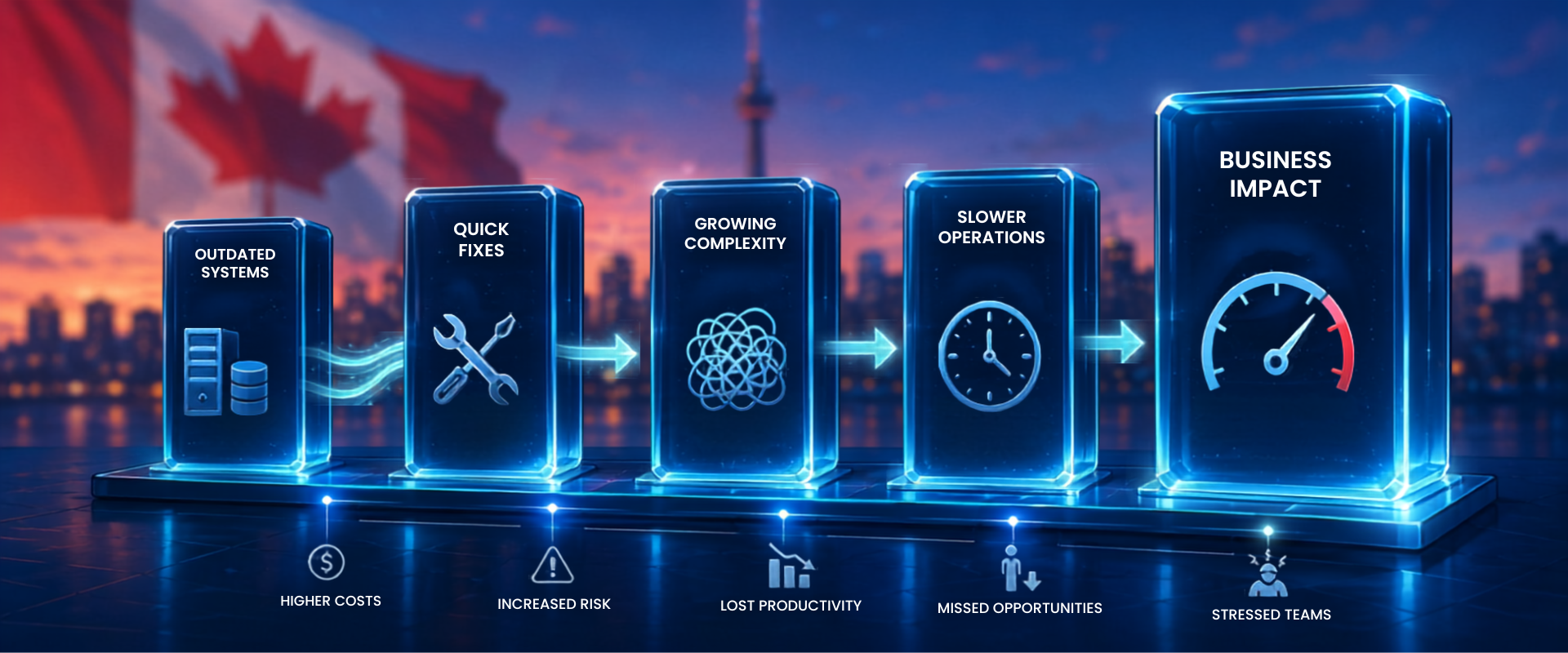
Many Managed Service Providers (MSPs) proudly report how many tickets they close and how fast they respond. While those numbers sound reassuring, they rarely tell professional services firms whether IT is actually working well.
For firms with 25–75 employees in Oakville and the GTA West—especially those investing $200–$250 per user per month—success shouldn’t be measured by how often problems are fixed. It should be measured by how few problems occur in the first place, how severe they are, and how well risk is managed over time.
Below is a practical set of KPIs that actually reflect MSP performance in a way that matters to leadership, finance, and operations—not just the helpdesk.
Why Ticket Counts Are a Weak Measure of Success
Ticket metrics are easy to track, but they’re misleading.
High ticket volume can mean:
- Systems are unstable
- Users are frequently interrupted
- Problems are recurring
Fast response times don’t fix the underlying issue if the same problems keep coming back.
For leadership, a “good” IT month is one where nothing notable happens—not one where the helpdesk is busy
The KPIs That Actually Matter
1. Number of Incidents per User (Over Time)
This is one of the most revealing metrics.
Instead of total tickets, ask:
- How many incidents occur per user per month?
- Is that number trending up or down?
A proactive MSP should be able to show a declining trend over time, not just consistent activity.
2. Repeat Issue Rate
Recurring problems are a sign of reactive IT.
This KPI looks at:
- How often the same issue happens again
- Whether root causes are being addressed
- How many tickets are “one-off” vs repeat
Strong MSPs actively eliminate repeat issues rather than accepting them as normal.
3. Severity of Incidents
Not all issues are equal.
Ask:
- How many incidents caused real downtime?
- How many were minor annoyances?
- How many affected multiple users or systems?
A healthy IT environment doesn’t just have fewer issues—it has less severe ones.
4. Mean Time to Resolution (Contextualized)
Response time alone is not enough.
Better questions:
- How long did it take to fully resolve the issue?
- Did the fix prevent recurrence?
- Was business impact minimized?
Fast responses are good—but lasting fixes are better.
5. Security Incident Frequency
Security KPIs should be part of MSP performance reporting.
Ask:
- How many security incidents occurred?
- Were any successful?
- How quickly were threats contained?
A strong MSP should be able to demonstrate reduced security incidents over time, not just tool deployment.
6. Backup Reliability and Recovery Readiness
Backups are only valuable if they work.
Key KPIs include:
- Backup success rate (e.g., 99.9%+)
- Frequency of backup testing
- Recovery time during tests
These metrics are especially important for cyber-insurance and risk discussions.
7. Patch and Update Compliance
Unpatched systems create risk.
Ask:
- What percentage of systems are fully patched?
- How quickly are critical updates applied?
- Are exceptions documented and tracked?
This KPI shows whether proactive maintenance is actually happening.
8. User Impact Metrics
Some MSPs track:
- User downtime hours
- Business-impacting incidents
- Disruptions to critical applications
These metrics translate IT performance into business language, which leadership understands.
What a Good KPI Report Should Look Like
A useful MSP KPI report should:
- Show trends, not just snapshots
- Focus on outcomes, not activity
- Include explanations in plain language
- Highlight risks and improvements
- Avoid drowning leadership in noise
If reports are confusing or ignored, they aren’t serving their purpose.
Real-World Example: KPIs Done Right
A 45-employee professional services firm switched from an MSP that reported ticket counts to one that focused on outcome-based KPIs.
Within six months:
- Incidents per user dropped by
~35%
- Repeat issues were largely eliminated
- No security incidents reached users
- Leadership spent far less time discussing IT
The helpdesk didn’t disappear—it became less visible, which is the goal.
What Professional Services Firms Should Expect at $200–$250/User
At this price point, firms should reasonably expect:
- Outcome-focused KPIs
- Security metrics included in reporting
- Clear explanations of trends
- Evidence of proactive improvement
- Fewer disruptions over time
If KPIs focus only on tickets and response times, performance is being measured at the wrong level.
How to Ask the Right KPI Question
Instead of asking:
“How fast do you respond to tickets?”
Ask:
“How do you measure whether IT is getting better over time?”
The answer will tell you everything you need to know.
Trust Signals to Look For in MSP Reporting
Strong indicators include:
- Declining incident trends
- Low repeat-issue rates
- Security metrics tied to outcomes
- Backup and recovery visibility
- Reports leadership can actually understand
- Willingness to discuss what’s not working
Good KPIs create accountability and clarity, not noise.
Frequently Asked Questions
Why aren’t ticket counts a good measure of MSP performance?
Ticket counts measure activity, not outcomes. High ticket volumes often indicate unstable systems and recurring problems rather than effective IT management.
What KPIs matter more than response times?
More meaningful KPIs include incidents per user, repeat issue rates, severity of incidents, security incident frequency, backup reliability, patch compliance, and overall business impact.
How should MSP performance improve over time?
Effective MSPs should show declining incident trends, fewer repeat issues, improved security posture, and more predictable IT performance over time—not just consistent ticket handling.
What should leadership expect from MSP reporting?
Leadership should expect clear, outcome-focused reporting that highlights trends, risks, and improvements in plain language rather than technical metrics that are hard to interpret.
Recent Posts