Two Excellent Ways to Verify User Identity

Digital Fire • December 1, 2020

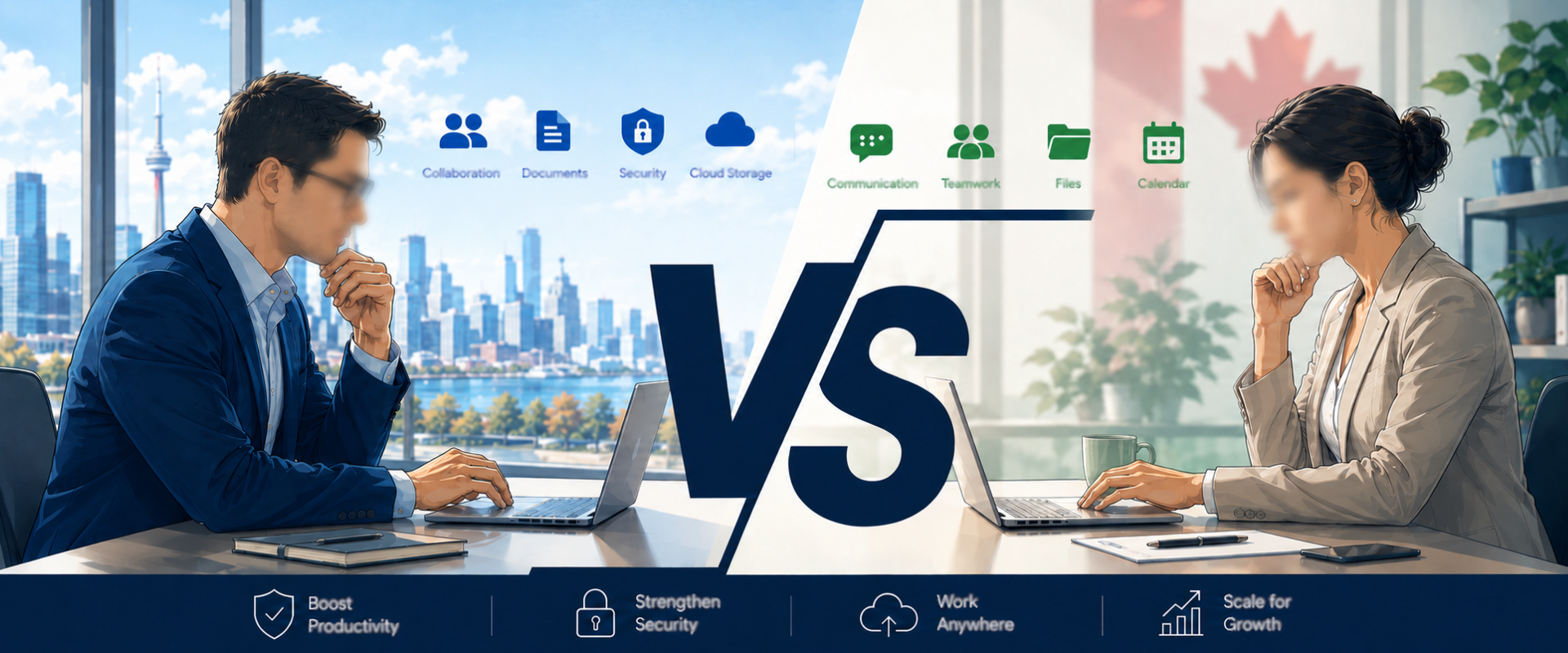
A secure login process helps keep your business safe from cybercriminals. There are two ways to verify user identity: Two-step authentication and two-factor authentication. To help you understand the differences between the two, here’s an overview of them. If you want to improve your business's cybersecurity, you need to take a close look at its authentication process first. Two-step and two-factor authentication are two of the most commonly used authentication methods. Two-step verification (2SV) and two-factor authentication (2FA) are often used interchangeably by business owners, but they're not exactly the same thing.

Two-step authentication

Two-step verification requires a single-factor login (like a password or biometric scan) plus another similar type of login credentials that a user has to provide. Typically, this process requires entering a password for Step 1 and then entering another security code for Step 2, which may be accomplished using an authentication app such as Google Authenti­cator.

Adding an additional step in the verification process makes two-step authentication more secure than one-step authentication (i e, providing only a password), and increases the security measures taken. However, even if a person or business has been successfully hacked, it won't necessarily be enough to stop them from obtaining whatever they're trying to get their hands on, such as control of an email address, or assuming user identities.

Two-factor authentication

Multifactor authentication is significantly more secure than single-factor authentication. Two different types of information must be used to identify a user's identity. For example, it might be a combination of a biometric (fingerprint or retina) scan and a password or passcode for access. Two-factor authentication systems require an extra step for the user to enter their password before they're allowed access to the account. It would be difficult for hackers to break into a network if they use a two-factor authentication method.

Which one is better for you?

Single-factor authentication processes aren't enough to ensure the security of your network anymore. You need to secure your authentication process and make it difficult for hackers to get into your network. Two-step versus two-factor authentication is largely dependent upon your business' specific security requirements. To take the stress out of securing and protecting your network, call us today for expert cybersecurity advice.

Recent Posts
Digital magnifying glass over a scale balancing a security shield and a person, representing MSP.
By Leslie Babel February 18, 2026
Not a technical expert? Learn how to evaluate MSP security claims using simple questions about frameworks, included controls, monitoring, and accountability.
Conceptual illustration of IT icons like cloud, security shields, and servers connected by data line
By Leslie Babel February 16, 2026
What does fully managed IT actually include? See what’s covered by default, what’s usually extra, and how to compare MSP proposals without surprises.
Seesaw with server racks on one side, gears, and
By Leslie Babel February 13, 2026
Why does standardizing your IT stack reduce downtime and security risk? Learn how consistency improves reliability, speeds resolution, and prevents repeat issues.
CIS Controls
By Leslie Babel February 11, 2026
Which CIS controls should small professional services firms implement first? Start with the 8 highest-impact safeguards to reduce cyber risk and improve resilience.
Stressed worker in red
By Leslie Babel February 9, 2026
Reactive vs proactive IT: what’s the real difference? Learn how proactive support reduces downtime, recurring issues, security risk, and long-term IT costs.
Three IT service tiers featuring icons for data servers, security shields, and cloud computing solutions.
By Leslie Babel February 6, 2026
How much does managed IT cost in Oakville? Most 25–75 user firms pay $175–$275 per user. See what’s included, what’s extra, and what affects pricing.
Cybersecurity icons, featuring a glowing green shield and various protected mobile devices.
By Leslie Babel February 4, 2026
Discover the 8 essential security services every professional services firm should expect from an MSP, including MFA, EDR, backups, monitoring, and framework alignment.
A business team sitting around a conference table with a large, metallic silver question mark.
By Leslie Babel February 3, 2026
Before hiring an MSP, ask these 7 essential questions about proactive support, security controls, pricing transparency, onboarding, and long-term IT stability.
Two people analyzing charts and graphs on a cluttered wooden desk, possibly for business or finance.
By Leslie Babel August 25, 2025
Discover how service business owners can grow by dedicating 11% of their time to innovation, technology, and community-building. Tips from Digital Fire’s latest webinar.
A man in a suit is standing on top of a city at night.
By Leslie Babel June 17, 2025
Discover 10 powerful business technologies that can reduce downtime, secure your systems, and fuel growth.
Digital magnifying glass over a scale balancing a security shield and a person, representing MSP.
By Leslie Babel February 18, 2026
Not a technical expert? Learn how to evaluate MSP security claims using simple questions about frameworks, included controls, monitoring, and accountability.
Conceptual illustration of IT icons like cloud, security shields, and servers connected by data line
By Leslie Babel February 16, 2026
What does fully managed IT actually include? See what’s covered by default, what’s usually extra, and how to compare MSP proposals without surprises.
Seesaw with server racks on one side, gears, and
By Leslie Babel February 13, 2026
Why does standardizing your IT stack reduce downtime and security risk? Learn how consistency improves reliability, speeds resolution, and prevents repeat issues.
CIS Controls
By Leslie Babel February 11, 2026
Which CIS controls should small professional services firms implement first? Start with the 8 highest-impact safeguards to reduce cyber risk and improve resilience.
Stressed worker in red
By Leslie Babel February 9, 2026
Reactive vs proactive IT: what’s the real difference? Learn how proactive support reduces downtime, recurring issues, security risk, and long-term IT costs.
Three IT service tiers featuring icons for data servers, security shields, and cloud computing solutions.
By Leslie Babel February 6, 2026
How much does managed IT cost in Oakville? Most 25–75 user firms pay $175–$275 per user. See what’s included, what’s extra, and what affects pricing.
Cybersecurity icons, featuring a glowing green shield and various protected mobile devices.
By Leslie Babel February 4, 2026
Discover the 8 essential security services every professional services firm should expect from an MSP, including MFA, EDR, backups, monitoring, and framework alignment.
A business team sitting around a conference table with a large, metallic silver question mark.
By Leslie Babel February 3, 2026
Before hiring an MSP, ask these 7 essential questions about proactive support, security controls, pricing transparency, onboarding, and long-term IT stability.
Two people analyzing charts and graphs on a cluttered wooden desk, possibly for business or finance.
By Leslie Babel August 25, 2025
Discover how service business owners can grow by dedicating 11% of their time to innovation, technology, and community-building. Tips from Digital Fire’s latest webinar.
A man in a suit is standing on top of a city at night.
By Leslie Babel June 17, 2025
Discover 10 powerful business technologies that can reduce downtime, secure your systems, and fuel growth.