How Economic Uncertainty Opens the Door to Tech-Driven Innovation

Leslie Babel • June 11, 2025

When IT Becomes a Problem You Can’t Ignore

During economic downturns, many business owners instinctively hold off on making big decisions. But if you run a manufacturing company, putting off improvements to your IT infrastructure can come back to bite you. Systems slow down, support disappears, and vendors stop returning calls. It's frustrating. Worse, it usually lands on your desk when you're already dealing with enough.

That’s the real issue. Technology isn’t something you want to think about. You just want it to work. Your production team needs uptime. Your office staff needs access. Your data needs to be secure. And when something breaks, you want someone to take charge and fix it—fast.

At Digital Fire, we’ve worked with enough manufacturing owners to know: you're not looking for bells and whistles. You're looking for control, stability, and someone who can remove the stress from IT support.

The Cost of Waiting

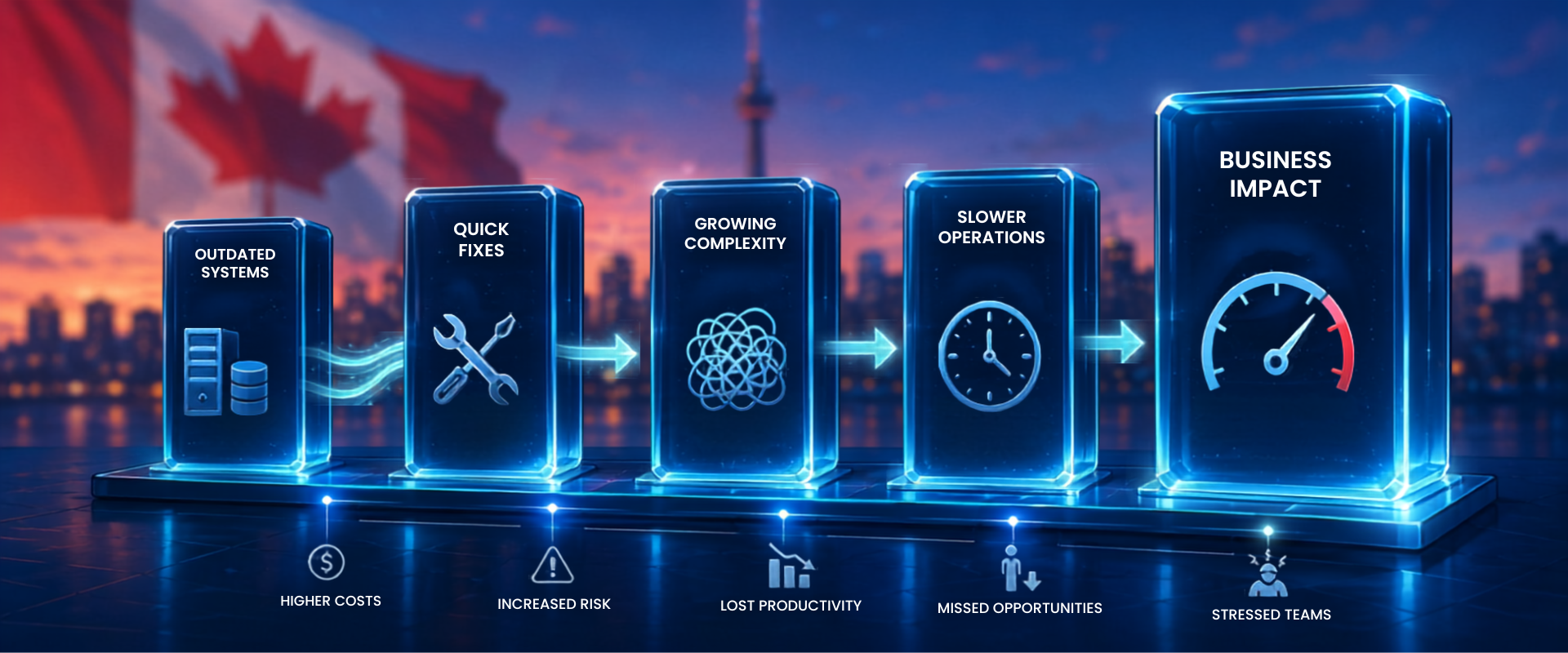
When the economy gets rocky, it can feel smart to delay investments. But for managed IT services, delaying often increases the risk—and the eventual cost.

We’ve seen it happen. One client ignored a warning about server failure. The upgrade seemed expensive, and things were “still working.” Until they weren’t. That server crashed, halting production for three days. Lost revenue, late shipments, and thousands in emergency recovery costs followed. The original upgrade would have cost a fraction of that.

Now is the time to make smart, targeted improvements. Not a full overhaul, but enough to keep things stable and secure.

Start Building Your "New Factory"

At Digital Fire, we  often talk about the concept of two parallel factories. The old factory is your current business, working hard to keep things going. The new factory is your future—more resilient, more secure, and better equipped to handle whatever’s coming next.

This isn’t about tearing things down. It’s about dedicating a small part of your attention to making improvements that reduce risk and increase control. Even small changes—like switching to cloud computing, replacing aging equipment, or automating software updates—can prevent major disruptions.

We’ve seen clients start small and quickly see the benefits. Better uptime. Less frustration. And most importantly, fewer surprises.

What Makes Digital Fire Different

There’s no shortage of IT companies making promises. But most of them are hard to reach when it matters. They send generic helpdesk responses or pass you from one technician to the next. That’s not how we work.

Digital Fire was built for business owners who want things done properly. You get one fixed monthly fee that covers everything—no surprise charges, no nickel-and-diming. If there’s a problem, you speak to someone who knows your business and fixes it without delay.

Our technicians are proactive. Half of our team is focused on prevention, not just repair. That means we’re solving problems before you even know they exist. And because we also provide IT consulting services and long-term planning, you’ll know what’s coming next and why it matters.

This isn’t “tiered support” or a sales pitch in disguise. It's a complete IT service, designed for companies that can’t afford downtime.

From Frustration to Focus

One of our clients, a 40-person manufacturing firm, experienced a serious malware attack. Their former provider was slow to respond, and no one knew who was responsible for what. We took over the cleanup, rebuilt their infrastructure, and put safeguards in place to ensure it wouldn’t happen again.

Today, their systems run smoothly. They no longer manage IT internally. And they’ve had zero unplanned outages in over a year.

That’s the goal: reduce stress, reduce risk, and give you back time to focus on your business.

You Don’t Need More IT Knowledge—You Need Less IT Trouble

Most of the business owners we work with aren’t tech-savvy—and they don’t want to be. You don’t need to understand firewalls or cloud architecture. You need to know your systems are safe, your team has access, and you’ve got someone you can trust to keep everything running.

That’s what we deliver. Not buzzwords or tools you don’t need. Just results.

When something goes wrong, we don’t send a chatbot. We pick up the phone, fix the issue, and prevent it from happening again.

When you want to plan, we show you your options in plain language. No jargon. No guesswork.

Now Is the Right Time

If you’re already frustrated with your IT or have lingering concerns about outages, backups, or IT security, the worst thing you can do is keep putting it off.

The best time to make improvements is when things are calm. The second-best time is before something breaks.

So if you know your business needs better support, more stability, or a real disaster recovery plan, let’s talk. We’ll help you build the kind of business continuity plan that supports your business—not distracts from it.

Want to go deeper? Join us for our upcoming live webinars. These sessions offer real-world insights and practical strategies tailored for manufacturing leaders.

Digital Fire is ready when you are. Let’s get started.

Frequently Asked Questions
    Why should I upgrade my IT systems during economic uncertainty?

        Microsoft 365 is often preferred by businesses with traditional workflows and a history of using Outlook, Word, and Excel. Google Workspace is ideal for teams that work entirely in the cloud and prefer browser-based tools like Gmail, Docs, and Sheets.

    How is Digital Fire different from other managed IT service providers?

         Technically, yes—but it's not recommended. Using Outlook with Google as a back end leads to compatibility issues and limits new feature functionality. Sticking to one ecosystem ensures better performance and fewer problems.

    What are “two parallel factories,” and how does that apply to IT?

        Your current factory keeps things running; your “new factory” is the future—more secure, resilient, and ready for what’s next. IT upgrades are the foundation of that transformation.

    What does proactive IT support really mean?

        Microsoft’s OneNote, Planner, and Bookings are often overlooked. On the Google side, Google Chat, Appointment Scheduling and Meet are underused compared to alternatives like Slack, Calendly, Trello and Zoom, despite offering similar functionality.

    Can Digital Fire help with disaster recovery and business continuity planning?

        Yes. We provide expert guidance and implementation for business continuity planning and disaster recovery so your company is protected no matter what happens.

Recent Posts

Split-screen illustration comparing IT and security infrastructure of a Law Firm vs. a Wealth Manage
By Leslie Babel March 19, 2026
How do IT costs differ between law firms and wealth management firms? Learn what drives pricing, compliance impact, and budgeting benchmarks.
Illustration of IT issues like data loss and security breaches causing employee stress and declining
By Leslie Babel March 17, 2026
Underfunding IT may reduce costs short term but increase risk long term. Learn the hidden operational, security, and insurance impacts most firms overlook.
Businessman balancing scales of blue IT security icons and green data analytics icons -Comparing MSP
By Leslie Babel March 12, 2026
Comparing MSP proposals? Learn how to evaluate pricing, security inclusion, service models, and risk exposure before choosing your next IT partner.
Man unlocking a gate to transition from a dark city (contract) to a bright, cloud-connected office.
By Leslie Babel March 10, 2026
Planning to switch IT providers? Learn how to exit an MSP contract safely, secure admin access, avoid disruption, and protect your business during transition.
Hands typing on a laptop with an
By Leslie Babel March 9, 2026
AI is here and your competitors are using it. Learn how to bring AI into your firm safely with small pilots, sandboxes, and clear guardrails.
Infographic showing signs to switch your MSP before a crisis, comparing reactive downtime to proactive IT benefits.
By Leslie Babel March 5, 2026
Frustrated with recurring IT issues or unclear security? Learn the 10 signs it may be time to switch your MSP before disruption or risk escalates.
Managed IT pricing banner showing icons for Scope, Complexity, Security, and Scale on a blue background.
By Leslie Babel March 3, 2026
Why does managed IT pricing vary so much? Learn the 6 factors that drive cost differences, including security, proactive support, and service model depth.
MSPs using AI internally for backend automation, leading to faster, secure client IT services.
By Leslie Babel February 27, 2026
How do MSPs use AI today? Learn how AI improves monitoring, security detection, root-cause analysis, and service consistency without replacing people.
Monitor displaying a scale weighing support requests against MSP performance and value with digital data overlays.
By Leslie Babel February 25, 2026
Ticket counts aren’t enough. Discover the KPIs that truly measure MSP performance, including incident trends, security outcomes, uptime, and repeat issues.
Cybersecurity insurance concept with a person reviewing a policy shield in a digital server room data center.
By Leslie Babel February 23, 2026
Preparing for cyber insurance renewal? Learn the 6 security controls insurers expect and how to avoid coverage delays, higher premiums, or denied claims.
Split-screen illustration comparing IT and security infrastructure of a Law Firm vs. a Wealth Manage
By Leslie Babel March 19, 2026
How do IT costs differ between law firms and wealth management firms? Learn what drives pricing, compliance impact, and budgeting benchmarks.
Illustration of IT issues like data loss and security breaches causing employee stress and declining
By Leslie Babel March 17, 2026
Underfunding IT may reduce costs short term but increase risk long term. Learn the hidden operational, security, and insurance impacts most firms overlook.
Businessman balancing scales of blue IT security icons and green data analytics icons -Comparing MSP
By Leslie Babel March 12, 2026
Comparing MSP proposals? Learn how to evaluate pricing, security inclusion, service models, and risk exposure before choosing your next IT partner.
Man unlocking a gate to transition from a dark city (contract) to a bright, cloud-connected office.
By Leslie Babel March 10, 2026
Planning to switch IT providers? Learn how to exit an MSP contract safely, secure admin access, avoid disruption, and protect your business during transition.
Hands typing on a laptop with an
By Leslie Babel March 9, 2026
AI is here and your competitors are using it. Learn how to bring AI into your firm safely with small pilots, sandboxes, and clear guardrails.
Infographic showing signs to switch your MSP before a crisis, comparing reactive downtime to proactive IT benefits.
By Leslie Babel March 5, 2026
Frustrated with recurring IT issues or unclear security? Learn the 10 signs it may be time to switch your MSP before disruption or risk escalates.
Managed IT pricing banner showing icons for Scope, Complexity, Security, and Scale on a blue background.
By Leslie Babel March 3, 2026
Why does managed IT pricing vary so much? Learn the 6 factors that drive cost differences, including security, proactive support, and service model depth.
MSPs using AI internally for backend automation, leading to faster, secure client IT services.
By Leslie Babel February 27, 2026
How do MSPs use AI today? Learn how AI improves monitoring, security detection, root-cause analysis, and service consistency without replacing people.
Monitor displaying a scale weighing support requests against MSP performance and value with digital data overlays.
By Leslie Babel February 25, 2026
Ticket counts aren’t enough. Discover the KPIs that truly measure MSP performance, including incident trends, security outcomes, uptime, and repeat issues.
Cybersecurity insurance concept with a person reviewing a policy shield in a digital server room data center.
By Leslie Babel February 23, 2026
Preparing for cyber insurance renewal? Learn the 6 security controls insurers expect and how to avoid coverage delays, higher premiums, or denied claims.