How to Protect Your Android Device From Ransomware

Digital Fire • April 21, 2021

Ransomware attacks have become increasingly prevalent and sophisticated over the past few years. Malicious software known as ransomware has even infected Android smartphones and tablet computers, putting companies that rely on these mobile platforms at risk of data loss. Read on to discover how mobile ransomware works and ways you can protect yourself from this threat.

How does mobile ransomware work?

Android users may unknowingly download malicious applications from third-party sources or even legitimate sources such as Google Play Store Once these applications are downloaded, the ransomware is launched. It locks the phone and encrypts its contents. If the user receives an email from someone claiming they've been hacked and asking them to pay a certain sum of money in order to unlock their device or decrypt its contents, then they're probably dealing with ransomware.

One specific ransomware strain detected in late 2020 locks a mobile device's screen and prevents the user from dismissing the ransom note, which looks like a message from the police. The note tells the victim that they have done something wrong and needs to fix it by paying a fine. Cyber criminals use this tactic to make their victims panicky, thus increasing the likelihood of them paying up.

What should you do if your Android device is infected?

As with computer viruses, there's no guarantee when dealing with ransomware that buying the decryption key will get rid of the problem. This is why cyber security experts advise against complying with cybercriminals' demands.

Instead, they suggest that you immediately unplug the infected device from your business’s Wi-Fi or home networking system and any other devices it's currently attached to. This will prevent further infections within your network.

After that, report the issue to your internal IT team or managed service providers, who can help you determine which kind of ransomware you're facing. Once they've identified where the malware came from, they can then determine the best course of action to get rid of the malware and restore access to your files.

How do you protect your business from mobile ransomware?

Make sure your staff knows not to download any unauthorized software from unofficial websites, forums, and app stores. You should also ensure that they turn on Google's Security Checkup feature, Verify Apps, which checks apps for potential threats before they can be downloaded. They can do this on their Android devices by going to Settings > Security > Verify Apps, and enabling “Scan device for security threats.”

Make sure that all your employees' smartphones have anti-virus software installed on them and that they keep their phones updated.

Backing up important documents on mobile devices to a USB stick, a computer, or a cloud-based storage service is essential. If you use this method, your employees won't lose any important information when they reset their smartphones or tablets.

If you want to learn more about how to prevent your business from becoming a victim of mobile malware and other cyber threats, contact us now for help.

Recent Posts

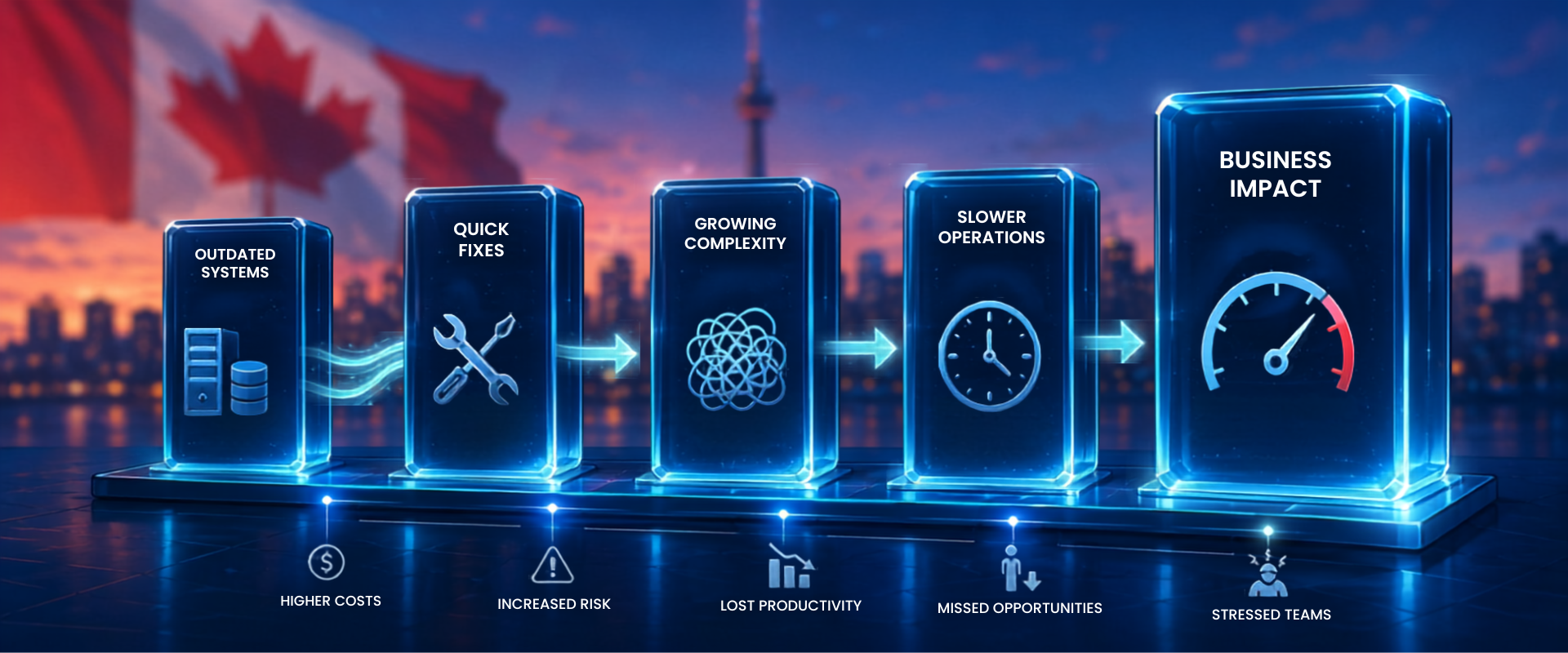
Technology debt slows Canadian businesses with outdated systems, quick fixes, complexity and operational delays.
By Leslie Babel July 3, 2026
Technology debt quietly increases costs, slows productivity, and creates security risks. Learn how Canadian businesses can identify and reduce it.
Checklist with Experience, Support, and Security in an office setting.
By Leslie Babel June 26, 2026
Learn how Canadian businesses can reduce operational friction, improve efficiency, and simplify technology environments through better decision-making.
Anime-style global logistics map with glowing network nodes and transportation icons on a dark blue background.
By Leslie Babel June 18, 2026
Too many vendors can increase costs, complexity, and security risks. Learn why Canadian SMBs are simplifying their technology environments.
Canadian cloud computing network on laptop with cybersecurity icons and digital world map
By Leslie Babel June 11, 2026
Before choosing cloud software, Canadian businesses should evaluate data residency, security, integrations, support, and long-term operational fit.
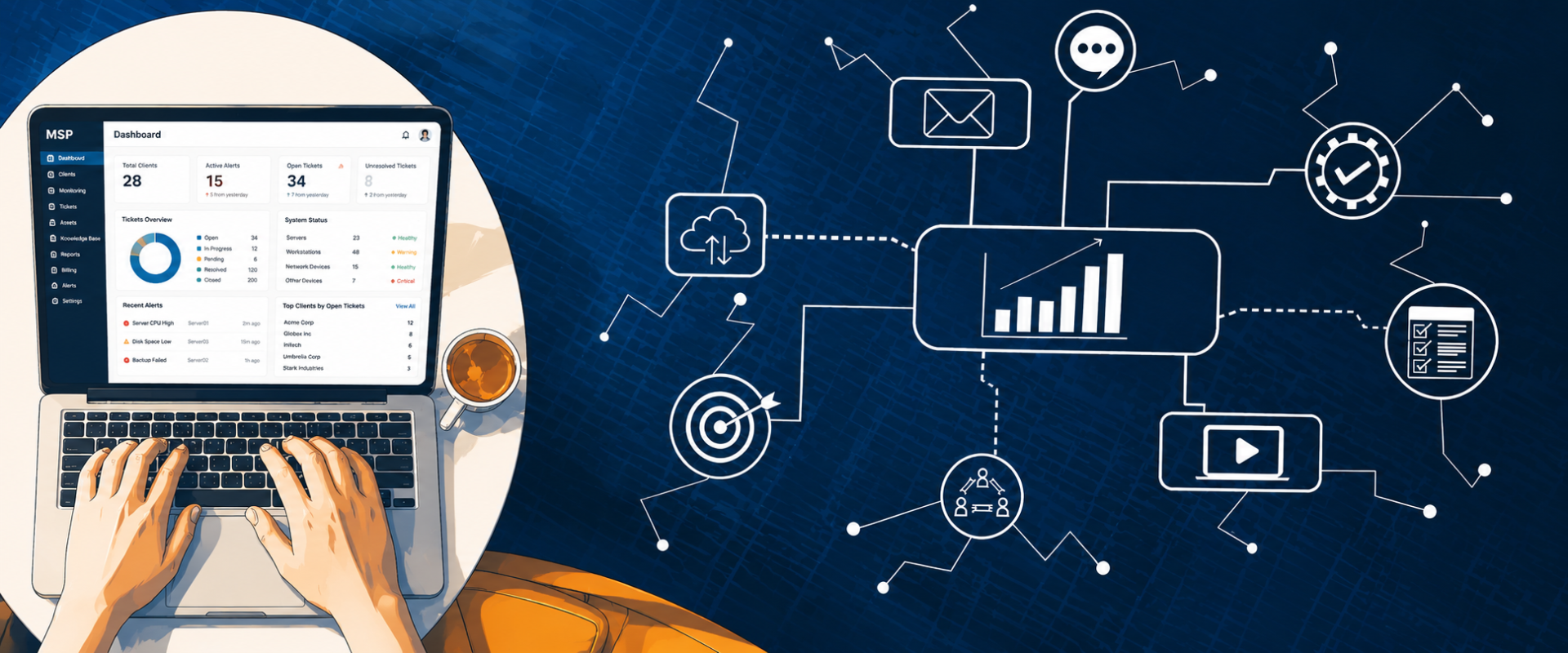
Anime-style MSP dashboard on laptop with IT service analytics, automation workflow icons, and digital business technology network.
By Leslie Babel June 3, 2026
Canadian businesses are rethinking their technology stack due to rising costs, security concerns, vendor sprawl, and operational complexity.
modern office scene showing an organization struggling with AI readiness
By Leslie Babel June 1, 2026
Messy data, open permissions, and a resistant culture can sink an AI rollout fast. Learn the warning signs before you invest — and what to fix first.
Anime-style onboarding banner with business handshake, digital HR icons, and modern corporate technology theme.
By Leslie Babel May 28, 2026
What happens after switching MSPs? Learn what professional services firms typically experience during the first 6 months with a new IT provider.
Office scene with woman at laptop, highlighted cyber alerts on screens, and colleagues in the background
By Leslie Babel May 27, 2026
Free AI tools, unsanctioned use, and AI agents are the top risks for SMBs right now. Learn the simple rules that actually stick — and how to build a culture around them.
Businessman interacting with a digital interface featuring hexagon technology icons.
By Leslie Babel May 21, 2026
What should a healthy IT environment actually look like? Learn the signs of stable, secure, and proactive IT for professional services firms.
Executives shaking hands over a contract in a modern boardroom with city skyline and growth chart.
By Leslie Babel May 14, 2026
Comparing MSP contracts? Learn what to evaluate beyond pricing, including security scope, onboarding, billing structure, and risk exposure.
Technology debt slows Canadian businesses with outdated systems, quick fixes, complexity and operational delays.
By Leslie Babel July 3, 2026
Technology debt quietly increases costs, slows productivity, and creates security risks. Learn how Canadian businesses can identify and reduce it.
Checklist with Experience, Support, and Security in an office setting.
By Leslie Babel June 26, 2026
Learn how Canadian businesses can reduce operational friction, improve efficiency, and simplify technology environments through better decision-making.
Anime-style global logistics map with glowing network nodes and transportation icons on a dark blue background.
By Leslie Babel June 18, 2026
Too many vendors can increase costs, complexity, and security risks. Learn why Canadian SMBs are simplifying their technology environments.