How to Evaluate MSP Security Claims Without Being a Technical Expert
Most professional services leaders are not cybersecurity experts—and they shouldn’t have to be. Yet when evaluating Managed Service Providers (MSPs), many firms are asked to assess complex security claims filled with acronyms, tools, and technical jargon.
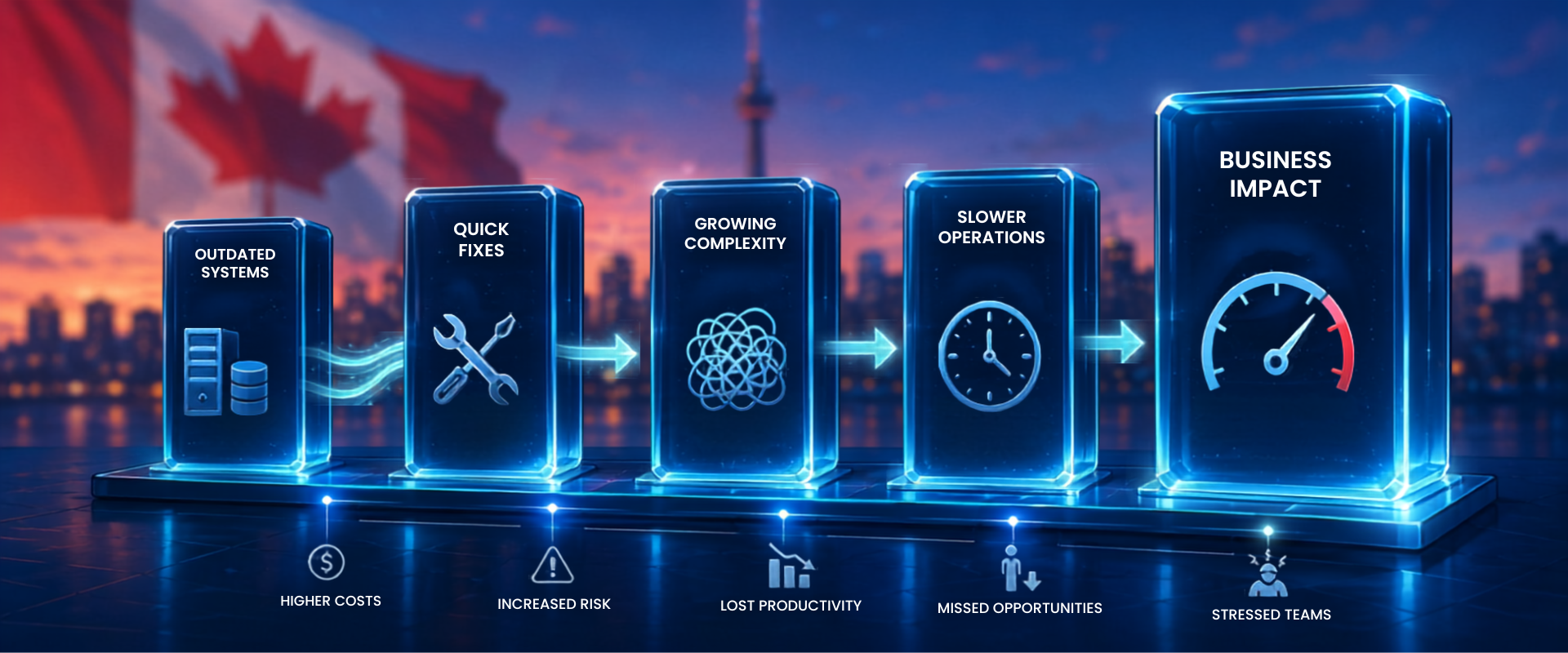
For professional services firms with 25–75 employees in Oakville and the GTA West, this creates a real problem. Firms paying $200–$250 per user per month often assume strong security is in place, only to discover later that protections were partial, inconsistent, or optional.
The good news: you don’t need to be technical to evaluate MSP security claims effectively. You just need to know what to ask, what to look for, and what red flags to avoid.
Below is a practical framework to help non-technical decision-makers separate real security maturity from marketing language.
Why MSP Security Claims Are Hard to Evaluate
Most MSPs genuinely want to appear security-focused. Unfortunately, that leads to:
- Long lists of tools with little explanation
- Buzzwords like “enterprise-grade” or “next-gen”
- Emphasis on products instead of outcomes
- Vague assurances without specifics
Security tools alone don’t create security. Process, consistency, and accountability do.
The 5 Questions That Matter More Than the Tools
1. Is Security Built In or Sold as an Add-On?
This is the fastest way to separate mature MSPs from reactive ones.
Ask:
- Which security controls are included by default?
- What security services cost extra?
- What happens if we decline an add-on?
If core protections like MFA, endpoint protection, backups, or monitoring are optional, the environment will almost certainly have gaps.
For professional services firms, security should be part of the foundation, not a menu.
2. Do They Follow a Recognized Security Framework?
You don’t need to know the framework in detail—you just need to know whether one exists.
Ask:
- Are your security services aligned with CIS or NIST?
- Which controls are implemented automatically?
- How do you track progress over time?
Frameworks like CIS and NIST matter because they:
- Prioritize what’s most important
- Reduce reliance on individual tools
- Create consistency across environments
If an MSP can’t map their services to a framework, security is likely ad-hoc.
3. How Do They Reduce Risk Over Time?
Security isn’t static.
Ask:
- How do you reduce the number and severity of incidents?
- What metrics do you track?
- How often do you review security posture?
Good answers focus on:
- Fewer incidents
- Faster detection
- Continuous improvement
Weak answers focus only on response times or tool features.
4. How Consistent Is Security Across All Clients?
Inconsistent environments create risk.
Ask:
- Do all clients use the same security stack?
- Are security settings standardized?
- How do you ensure controls are applied everywhere?
MSPs that support many different tools often struggle to maintain consistent security. Standardization is a strength, not a limitation.
5. Can They Explain Security in Business Terms?
This may be the most important test.
Ask:
- How does this reduce our risk?
- What happens if this control is missing?
- How does this affect insurance, audits, or clients?
If explanations are always technical and never tied to outcomes, leadership will struggle to make informed decisions.
Common Red Flags to Watch For
Be cautious if an MSP:
- Lists many tools but avoids specifics
- Can’t explain what’s included vs extra
- Talks about security only after an incident
- Has no regular security review process
- Avoids frameworks altogether
- Relies heavily on “trust us” language
These signals often indicate reactive security, even if the MSP is well-intentioned.
Real-World Example: Tools vs Outcomes
A 35-employee professional services firm was told they had “enterprise-grade security.” In reality:
- MFA was optional and inconsistently applied
- Backups were rarely tested
- No one reviewed security posture regularly
After switching to an MSP that focused on:
- Built-in CIS-aligned controls
- Standardized security tools
- Quarterly security reviews
The firm saw:
- MFA coverage reach
100%
- Backup reliability exceed
99.9%
- No successful phishing incidents over 12 months
- A smoother
cyber-insurance renewal
Nothing magical changed—clarity and consistency did.
What You Should Expect at $200–$250/User
At this price point in Oakville and GTA West, professional services firms should reasonably expect:
- Core security controls included by default
- Alignment with CIS or NIST frameworks
- Standardized security tools
- Ongoing monitoring and reviews
- Clear explanations in non-technical language
If security still feels confusing at this level of investment, something is wrong.
How to Turn Security Conversations Into Clear Decisions
You don’t need to approve tools—you need to approve outcomes.
Focus on:
- What risks are being reduced?
- What incidents are being prevented?
- How security is measured and improved
- How responsibilities are defined
The right MSP makes security understandable, not intimidating.
Trust Signals to Look For in an MSP
Strong indicators include:
- Security included by default
- Clear framework alignment
- Standardized environments
- Regular security reviews with leadership
- Experience supporting firms like yours
- Local understanding of Oakville and GTA West expectations
Good security should feel quiet, consistent, and boring—not confusing or reactive.
Frequently Asked Questions
How can a non-technical leader evaluate MSP security claims?
Non-technical leaders can focus on whether security is included by default, whether the MSP follows recognized frameworks like CIS or NIST, how risks are reduced over time, and whether security is explained in clear business terms.
Why are security frameworks more important than individual tools?
Frameworks provide structure and consistency, ensuring that security controls work together and are applied consistently. Tools alone do not create security without proper process and oversight.
What are common red flags in MSP security claims?
Red flags include vague answers, heavy reliance on buzzwords, security sold mainly as add-ons, lack of regular security reviews, and an inability to explain controls in plain language.
What should firms expect from security at $200–$250 per user?
At this price point, firms should expect built-in security controls, framework alignment, standardized tools, ongoing monitoring, and regular reviews—without needing to be security experts themselves.
Recent Posts