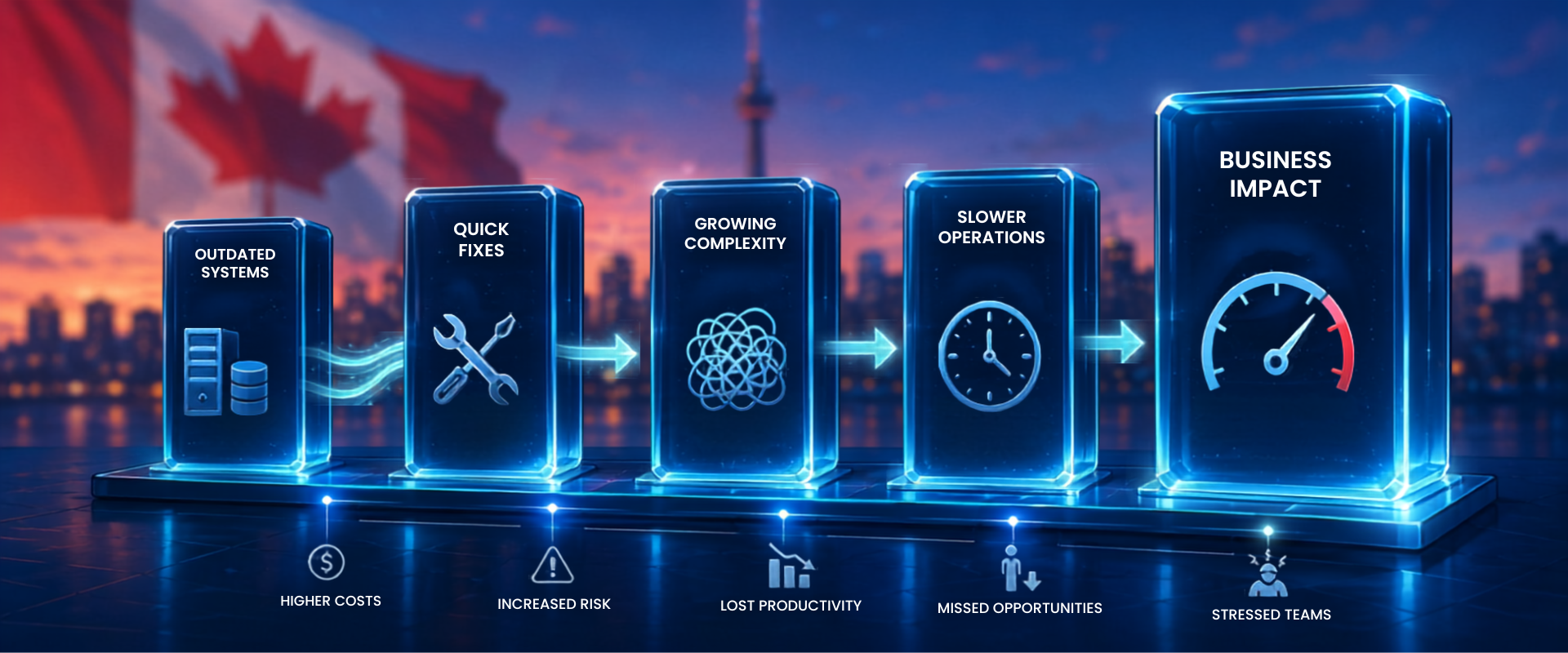
Break-Fix IT vs Managed IT: The Real Cost Comparison for Professional Services Firms
Many professional services firms start with a simple approach to IT:
- Call someone when something breaks
- Pay for the fix
- Move on
This is known as break-fix IT.
At first, it feels cost-effective.
But as firms grow to 25–75 employees, the model often becomes unpredictable, reactive, and expensive over time.
So the real question becomes:
“Is break-fix actually cheaper than managed IT?”
The short answer:
Break-fix is usually cheaper short term — but more expensive long term.
Below is a practical comparison of both models, including real cost implications.
If you want to estimate what a proactive model would cost for your firm, you can also use our IT Cost Calculator on the pricing page.
What Is Break-Fix IT?
Break-fix IT is a reactive model where:
- support is only provided when something breaks
- billing is hourly or per incident
- there is little to no proactive maintenance
This model is common in:
- smaller businesses
- early-stage firms
- organizations with minimal IT complexity
What Is Managed IT?
Managed IT is a proactive, subscription-based model where:
- systems are monitored continuously
- maintenance is performed regularly
- security is actively managed
- support is included
Pricing is typically:
175–$275 per user per month for professional services firms in Oakville and the GTA West.
Cost Comparison: Break-Fix vs Managed IT
Break-Fix Model
Costs include:
- hourly support (often $125–$200/hour)
- emergency response fees
- project work charges
- hardware replacement (unplanned)
- security incident recovery
Costs are:
- unpredictable
- reactive
- difficult to budget
Managed IT Model
Costs include:
- predictable monthly fee
- proactive monitoring
- security controls
- support included
- ongoing maintenance
Costs are:
- predictable
- structured
- aligned with risk management
Real Example: 40-Person Firm
Break-Fix Scenario
- 15–25 hours of support/month
- average $150/hour
- occasional project work
- Monthly cost:
$3,000–$6,000+
- Plus unexpected incidents
Managed IT Scenario
- $220 per user
- 40 users
- Monthly cost:
$8,800
- Includes full support + security + maintenance
At first glance, break-fix appears cheaper.
But this comparison misses key factors.
The Hidden Costs of Break-Fix IT
1 Downtime Costs
If 40 employees lose:
30 minutes per day due to IT issues
That equals:
~100 hours/week of lost productivity
This is rarely tracked — but very real.
2 Security Risk
Break-fix models often lack:
- proactive monitoring
- enforced MFA
- EDR protection
- backup validation
This increases exposure to:
- ransomware
- credential attacks
- data loss
3 Recurring Issues
Without proactive maintenance:
- problems repeat
- systems degrade
- inefficiencies accumulate
Break-fix solves symptoms — not causes.
4 No Strategic Planning
Break-fix providers typically do not:
- plan infrastructure upgrades
- manage lifecycle
- provide risk assessments
- align IT with business growth
This leads to:
-reactive decision-making
- emergency spending
- technical debt
When Break-Fix Still Works
Break-fix can be appropriate when:
- the company is very small
- IT complexity is low
- risk tolerance is high
- internal technical knowledge exists
However, as firms grow past 20–25 users, limitations become more visible.
Why Most Firms Transition to Managed IT
As firms grow, they need:
- predictable costs
- consistent performance
- stronger security
- reduced operational disruption
- stability
- visibility
- accountability
Using a Cost Calculator Instead of Guessing
Rather than comparing models abstractly, the best approach is:
estimate real cost based on your company size
Our IT Cost Calculator on the pricing page allows you to:
- model monthly investment
- compare pricing ranges
- align cost with service level
This gives a more accurate view than break-fix estimates.
Key Takeaway
Break-fix IT is not inherently wrong.
But it becomes increasingly inefficient as organizations grow.
For professional services firms:
- break-fix = reactive + unpredictable
- managed IT = proactive + structured
The decision is not just about cost.
It’s about:
- stability
- security
- long-term efficiency
Still deciding between break-fix and managed IT?
Leslie can walk through your current setup and help you:
- estimate your real IT cost
- identify hidden inefficiencies
- compare models objectively
- align IT with your business needs
Schedule a 30-minute strategy call with Leslie.
This is a practical discussion — not a sales pitch.
Frequently Asked Questions
Is break-fix IT cheaper than managed IT?
Break-fix is usually cheaper short term, but often more expensive long term due to downtime, recurring issues, and lack of proactive maintenance.
What is the main difference between break-fix and managed IT?
Break-fix is reactive and billed per incident, while managed IT is proactive and billed as a monthly service.
When should a company switch from break-fix to managed IT?
Most firms benefit from switching once they reach 20–25 employees or begin relying heavily on technology.
Does managed IT eliminate all problems?
No, but it significantly reduces recurring issues and improves system stability over time.
Recent Posts