Why Do Some MSPs Charge $150 Per User While Others Charge $300?
When professional services firms begin comparing Managed Service Providers (MSPs), one of the first surprises is the price difference.
Two providers may appear to offer similar services, yet one proposal might come in around $150 per user per month, while another may approach $300 per user per month.
For firms with 25–75 employees in Oakville and the GTA West, this difference often leads to confusion.
Are some MSPs overpriced?
Or are others missing critical services?
The answer usually lies in service model differences, security inclusion, and operational structure.
1. Reactive vs Proactive Support Models
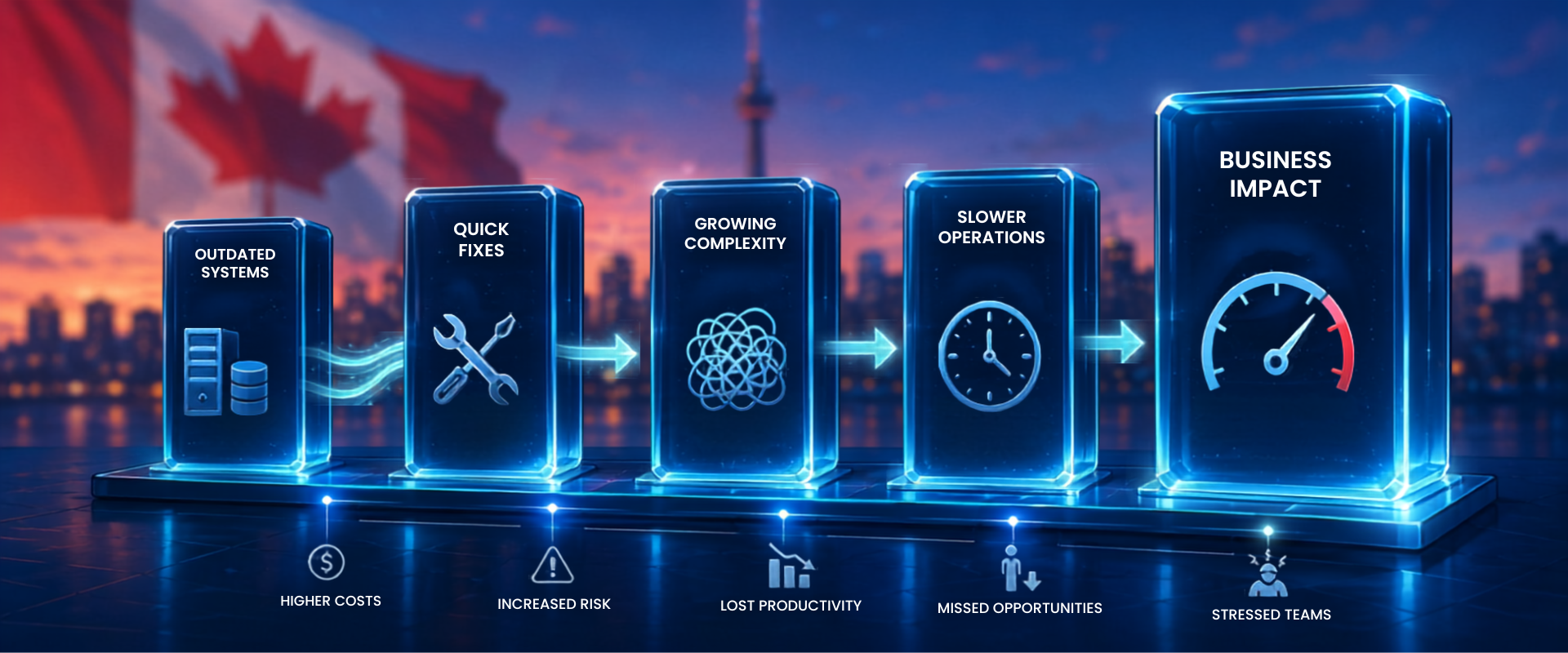
The biggest factor affecting MSP pricing is how the service model is designed.
Lower-cost providers often operate reactively.
This means they primarily respond to issues after they occur.
Higher-cost providers usually operate proactively, which includes:
- preventative maintenance
- infrastructure monitoring
- root-cause analysis
- system standardization
- security monitoring
A proactive model typically reduces recurring problems over time.
The goal is not just to respond quickly — but to prevent issues from happening in the first place.
2. Security Included vs Security Add-Ons
Another major price difference comes from how cybersecurity is packaged.
Some MSPs include security tools by default, such as:
- multi-factor authentication enforcement
- endpoint detection and response (EDR)
- firewall management
- backup monitoring and testing
Other providers treat many of these as optional add-ons.
This means a lower initial price may increase once security tools are layered in.
3. Standardized Technology vs Mixed Environments
Some MSPs standardize the technology they support across clients.
This might include:
- a consistent firewall platform
- standardized endpoint protection
- defined device configurations
- uniform monitoring tools
Standardization allows providers to build deep expertise and improve operational efficiency.
Providers that support a wide mix of technologies may have higher variability in support quality.
4. Strategic Engagement
Managed IT can function at different levels.
Some providers focus strictly on helpdesk and ticket resolution.
Others provide broader engagement, including:
- quarterly strategic reviews
- risk assessment discussions
- technology planning
- lifecycle management
These activities require more expertise and time, which can influence pricing.
5. Infrastructure Lifecycle Management
Some MSP agreements include planning for infrastructure refresh cycles.
This may involve:
- hardware lifecycle tracking
- firewall upgrade planning
- workstation refresh guidance
- performance optimization
Providers that actively manage infrastructure planning often reduce the likelihood of emergency replacements.
Real-World Example
A 35-person professional services firm compared two MSP proposals.
Proposal A: $160 per user
Included:
- helpdesk support
- basic monitoring
- antivirus
Proposal B: $235 per user
Included:
- enforced MFA
- managed EDR
- firewall management
- backup monitoring
- proactive maintenance
- quarterly reviews
The difference in price reflected scope and operational model, not simply profit margin.
The Bottom Line
When comparing MSP pricing, the key question is not:
“Why is this provider more expensive?”
Instead ask:
“What services, security controls, and operational practices are included?”
The lowest price may not always represent the lowest long-term cost if security coverage or proactive maintenance is missing.
Strategy Call With Leslie
If you are currently comparing MSP pricing or reviewing IT proposals, it can be helpful to get an objective second perspective.
Leslie offers short strategy conversations to help professional services firms evaluate pricing structures, security coverage, and transition considerations.
Typical call topics include:
- comparing MSP proposals
- identifying hidden security gaps
- understanding realistic IT budgets
- planning a safe provider transition
Schedule a 30-minute strategy call with Leslie.
Frequently Asked Questions
Why do MSP prices vary so much?
Pricing differences often reflect service scope, cybersecurity coverage, proactive maintenance, and the overall support model.
Is a cheaper MSP always worse?
Not necessarily, but lower-cost providers may exclude security tools, proactive maintenance, or strategic planning.
What is a typical managed IT price range?
Professional services firms often pay between $175 and $275 per user per month depending on service depth.
Should cybersecurity be included in managed IT pricing?
Most modern MSP models include core cybersecurity protections as part of the base service rather than optional add-ons.
Recent Posts