Prevent Cyber Threats: How to Educate Your Team on Cybersecurity
In today's digital age, cyber security is a pressing concern for businesses of all sizes. With many employees now working from home any business will need more robust security measures, since the security of home networks often falls short compared to corporate environments. Hackers are increasingly targeting these vulnerabilities, making it more crucial than ever to be vigilant.
This article provides practical advice on cybersecurity awareness and highlight the steps you can take to protect your business from potential threats.
It's Not If, But When

One stark reality in cybersecurity is that it's not a matter of if you'll be hacked, but when. Understanding this can help you prepare and mitigate the damage. Let me stress this point again: you will get hacked! It's a scary thought, and preparation is key.
One striking example is the case of the Hafnium hack on Exchange servers. Microsoft released a patch, but many did not apply it in time. As a result, hackers exploited this vulnerability, gaining access to emails and networks. This situation was so severe that, for the first time, the FBI obtained a court warrant to hack into American companies' servers and apply the patches themselves. This unprecedented move underscores the critical importance of staying updated with security patches and being prepared for inevitable breaches.
Cyber attacks are not just a problem for large corporations. Small and medium-sized businesses are also prime targets for cybercriminals. The misconception that "it won't happen to us" can lead to significant vulnerabilities. In fact, many attacks are indiscriminate, using blanket emails to lure unsuspecting victims into traps.
Here are some reasons why protecting your business from cybersecurity events is important:
- Protect Sensitive Data: Even if your business doesn't handle highly sensitive information, you still have employee and customer data that needs protection. I’ve seen small businesses become targets simply because they didn't believe they had valuable data. One client had customer email addresses and employee tax information compromised in a breach.
- Prevent Financial Loss: Globally, the average cost of a breach is around $761,000. For smaller businesses, this might be in the range of $100,000 to $200,000—still a considerable amount.
- Maintain Trust:
Ensuring your data is secure helps maintain trust with your clients and employees.
The Human Element
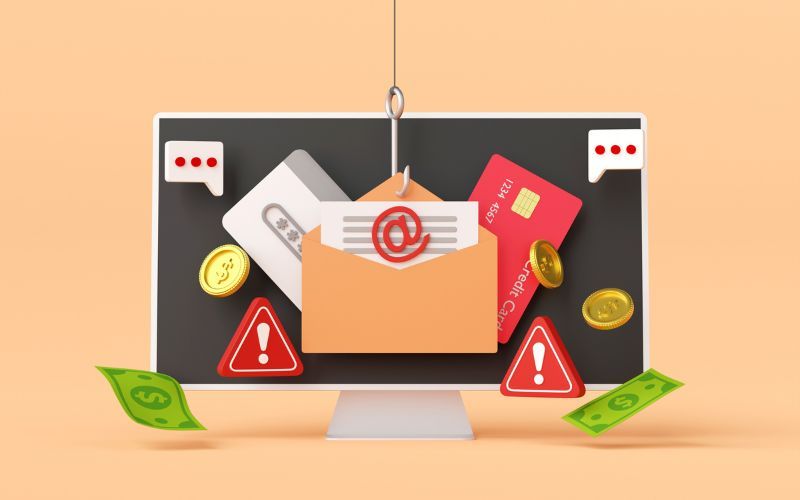
A significant portion of cyber breaches occur due to human error. Phishing attacks, where hackers trick individuals into providing sensitive information, are rampant. Educating your staff about these risks is essential. Remember, it’s not about memorizing everything, but being aware.
Consider the story of a small landscaping company that recently advertised for new hires. They received a resume that appeared blurry when opened. Without thinking much of it, the office manager tried opening it again, inadvertently allowing malware to install on their system. That night, $2,000 disappeared from their bank account. This highlights how easily an attack can occur and the importance of being cautious with email attachments.
Creating a Security-Conscious Culture
Encouraging a culture of security within your company is vital. Make it easy for employees to report potential security issues without fear of retribution. Regular training sessions can keep everyone informed about the latest threats and best practices. I always tell my clients, it’s better to report something suspicious right away than to hide it out of fear.
In one instance, a client’s office manager hesitated to report clicking on a suspicious email link. By the time they reported it, significant damage had been done. A culture that encourages prompt reporting of potential security issues could have mitigated this.
Creating a security-conscious culture is not a one-time effort but a continuous journey to improve security measures. Consistency is key, and regular small actions in improving security are more effective than sporadic, large efforts. For instance, our team at Digital Fire implements weekly check-ins to review and update security protocols.
In addition, it’s important to provide continuous support and give your employees the resources they need to be able to identify and handle potential threats.
Training Your Employees to Recognize and Avoid Cyber Threats

For most of our clients, technology is an essential tool for your staff to do their work. But let’s face it: it’s usually not the focus of their attention. That’s why it's crucial to arm your team with the knowledge to recognize and avoid cyber threats.
Engaging training helps employees retain information and apply it in real-world scenarios. Here are the three most important elements the training should include:
- Be cautious with emails: Almost half of cyber breaches involve email-based attacks. Train your team to recognize suspicious emails and attachments. For example, that blurry resume story? Classic phishing attack.
- Password management: Encourage the use of strong, unique passwords for different accounts. Consider using password managers to keep track of them.
- Two-factor authentication: Implement two-factor authentication (2FA) for all critical systems. This adds an extra layer of security beyond just a password.
We offer extensive self-managed cybersecurity training for employees of our clients. The training program is both engaging and effective without being a burden. It includes:
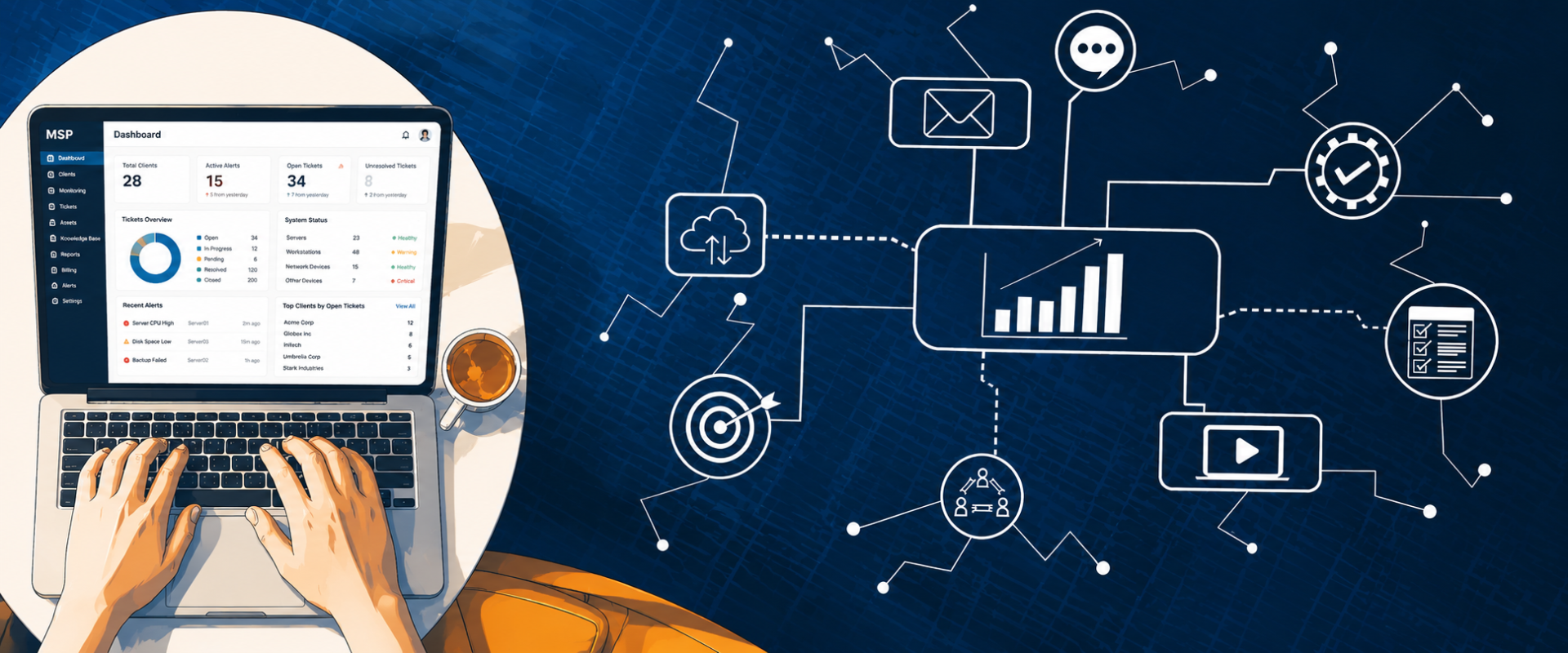
- Interactive Training Modules that simulate real-life scenarios. This helps employees learn to identify phishing emails and other common threats.
- Simulated Phishing Exercises to test employee awareness. This helps employees recognize phishing attempts and provides an opportunity to correct mistakes in a controlled environment.
- Video Tutorials that explain the basics of cybersecurity. This includes identifying suspicious links, verifying email sources, and understanding the importance of strong passwords.
Find out more
Tools and Resources
While training is critical, providing the right tools and resources is equally important. Equip your team with the necessary software and support to maintain a secure environment.
Essential Tools:
- Antivirus Software: Ensure all company computers have up-to-date antivirus software. Leslie recommends using a reliable antivirus like Windows Defender, Norton, or McAfee.
- Spam Filters: Implement strong spam filters to reduce the number of phishing emails that reach your employees.
- Password Managers: Encourage the use of password managers to generate and store strong, unique passwords. Password managers like LastPass or Dashlane can securely store all your passwords and generate strong ones for new accounts.
Resources:
- Cybersecurity Policy: Develop and distribute a clear cybersecurity policy. This should outline acceptable use of company devices, procedures for reporting incidents, and guidelines for maintaining security.
- External Support:
Consider partnering with a cybersecurity company like Digital Fire for expert advice and support. They can help you implement advanced security measures and stay ahead of evolving threats.
Conclusion
Incorporating cybersecurity awareness training into your business strategy is not just a protective measure—it's a proactive step toward securing your company's future. By fostering a culture of vigilance, providing practical training, and equipping your team with the right tools, you can significantly reduce the risk of cyber attacks. Remember, cybersecurity is a continuous journey, and with the right approach, you can safeguard your business against potential threats.
As someone who's navigated the complexities of cybersecurity for years, I can assure you that these steps are essential. For more tailored advice and support, feel free to contact me directly at craig@digitalfire.ca.
For expert advice and tailored cybersecurity solutions, consider partnering with Digital Fire. Visit their website at Digital Fire to learn more.
Recent Posts